Get Insulated Siding Installation
Insulated siding installation services help property owners improve energy efficiency, protect against weather damage, and enhance curb appeal through expert siding upgrades by local contractors.
Insulated siding installation is a practical upgrade for property owners looking to enhance their building’s energy efficiency and curb appeal. By adding a layer of insulation behind durable siding, homeowners can improve indoor comfort and reduce heating and cooling costs. This service is especially relevant for those considering a renovation project or seeking to maintain their property’s value in the face of changing weather conditions. Exploring local contractors who specialize in insulated siding can help ensure the work aligns with the specific needs of the property and the area’s climate.
For property owners in the area, comparing options among nearby service providers can lead to finding the right team for their project. Local contractors often have a better understanding of regional building standards and environmental factors, making them well-equipped to deliver quality results. As planning begins, it’s helpful to gather information on the available services and expertise in insulated siding installation. Continuing to explore local options can assist in making informed decisions that support long-term property performance and aesthetic appeal.
- Insulated siding installation - homeowners seeking to improve energy efficiency and reduce heating or cooling costs.
- Insulated siding replacement - property owners wanting to upgrade or replace aging or damaged siding for better insulation.
- Insulated siding repair - clients needing to fix damaged or compromised insulated siding to maintain its performance.
- Insulated siding maintenance - those looking to preserve the condition and insulation properties of existing siding over time.
- Insulated siding consultation - individuals exploring options and seeking professional advice on suitable insulated siding solutions.
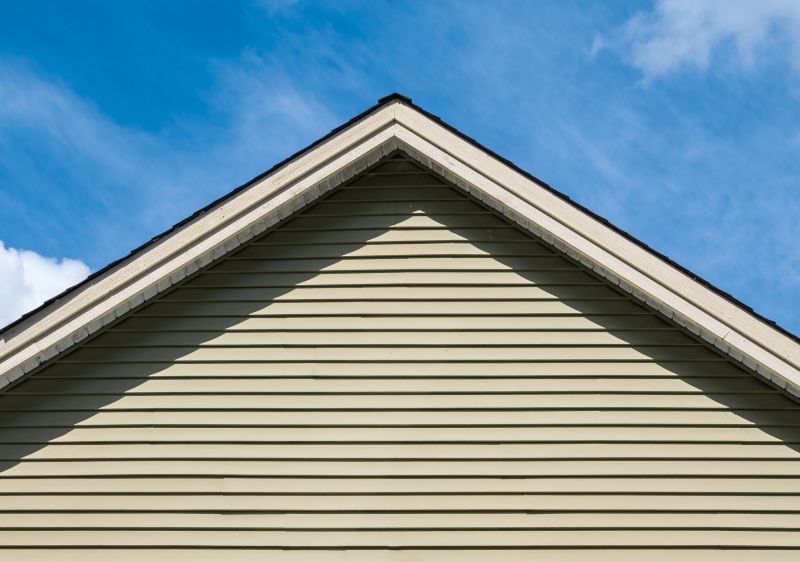
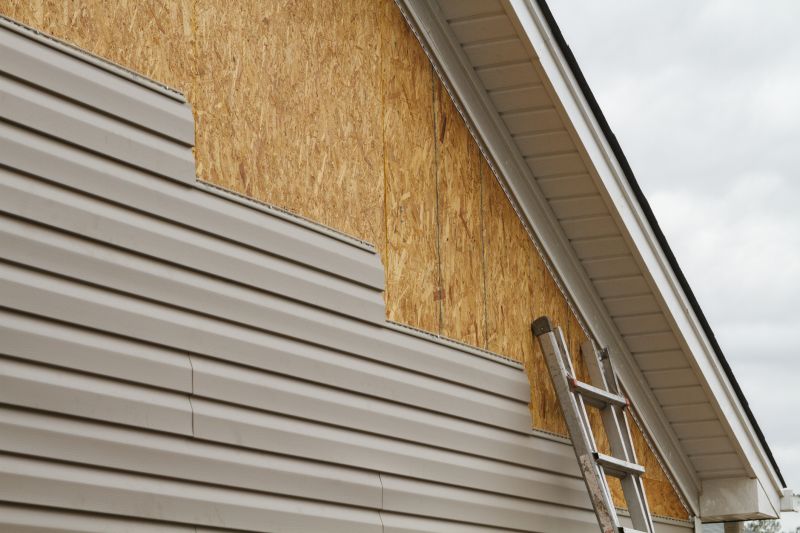
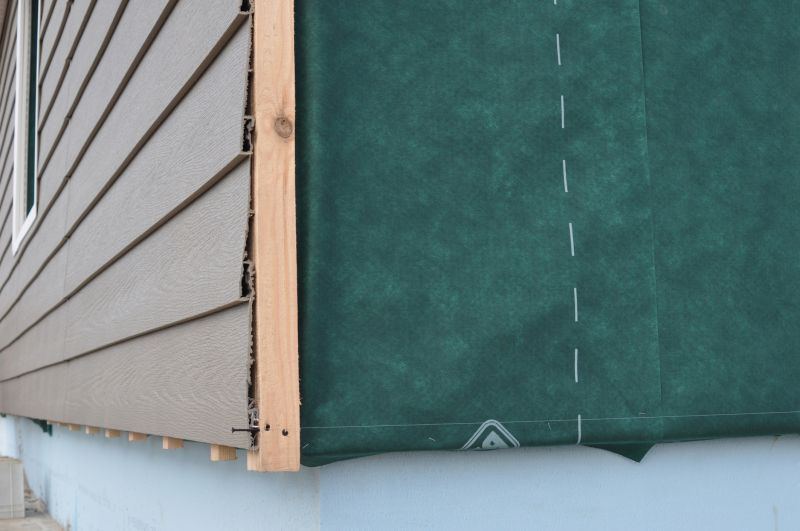
Insulated siding installation involves attaching specially designed siding panels that include a layer of foam insulation. This service enhances the exterior of a property by providing an extra barrier against temperature fluctuations, which can help improve energy efficiency. The process typically includes removing existing siding, preparing the surface, and carefully installing the insulated panels to ensure a smooth, durable finish. These pros focus on delivering a seamless look while ensuring the insulation layer is properly secured for long-lasting performance.
One of the primary benefits of insulated siding is its ability to address common issues such as drafts, heat loss, and increased energy bills. When a home’s exterior is poorly insulated or has gaps and cracks, it can lead to uncomfortable indoor temperatures and higher heating or cooling costs. Insulated siding helps solve these problems by creating a more consistent thermal barrier, reducing the transfer of heat through walls. This service can also help improve the overall comfort of a property and contribute to lower utility expenses over time.
Properties that often utilize insulated siding installation include single-family homes, multi-family residences, and commercial buildings seeking improved insulation. It is especially popular in older homes where original siding may no longer provide adequate protection against the elements. Insulated siding is also suitable for properties in climates with significant temperature variations, as it helps maintain a stable indoor environment. Whether for aesthetic upgrades or energy efficiency improvements, many property owners consider this service to enhance the functionality and appearance of their buildings.
Homeowners who notice drafts, rising energy bills, or exterior damage might find insulated siding installation to be a practical solution. It can also be a strategic upgrade for those looking to boost curb appeal while improving insulation performance. Local contractors experienced in this service can assess a property’s needs, recommend appropriate siding options, and ensure proper installation. Contacting these service providers can help determine if insulated siding is the right choice for addressing specific property concerns or goals.
The overview below groups typical Insulated Siding Installation projects into broad ranges so you can see how smaller, mid-sized, and larger jobs often compare in your area.
In many markets, a large share of routine jobs stays in the lower and middle ranges, while only a smaller percentage of projects moves into the highest bands when the work is more complex or site conditions are harder than average.
Smaller Repairs - Minor insulation repairs or patching typically cost between $250 and $600, depending on the scope. Many routine jobs fall within this middle range, with fewer projects reaching the higher end. Local contractors can provide estimates based on the specific repair needs.
Partial Siding Replacement - Replacing sections of insulated siding usually ranges from $1,200 to $3,500. Larger, more complex partial replacements tend to push costs toward the upper end of this spectrum. Service providers can assess the extent of the work to give accurate quotes.
Full Siding Installation - Complete insulated siding installations generally cost between $7,000 and $15,000 for most homes. Projects at the lower end are typical for standard-sized homes, while larger or more intricate installations may exceed this range. Local pros can help determine the expected cost based on the project size.
High-End or Custom Projects - Custom or high-end insulated siding projects can reach $20,000 or more, especially for larger or highly detailed homes. While fewer projects fall into this tier, experienced contractors can provide detailed estimates for unique needs. Costs vary based on materials and project complexity.
Actual totals will depend on details like access to the work area, the scope of the project, and the materials selected, so use these as general starting points rather than exact figures.
Siding Repair and Replacement - professionals skilled in siding repair and replacement work can often handle insulated siding projects, utilizing similar tools and planning processes.
Exterior Wall Insulation Installation - contractors experienced in installing exterior wall insulation are familiar with building envelope improvements related to insulated siding systems.
Cladding and Facade Renovations - specialists in cladding and facade upgrades share techniques for surface preparation and finishing that are relevant to insulated siding installations.
House Wrap and Weather Barrier Installation - those who install weather barriers understand the importance of proper sealing and insulation, aligning with insulated siding requirements.
Window and Door Wraps - providers experienced in window and door wrapping services have skills in sealing and finishing that complement insulated siding projects.
Exterior Painting and Finishing - painters and finishers working on exterior surfaces possess knowledge of surface prep and protective coatings similar to insulated siding installation.
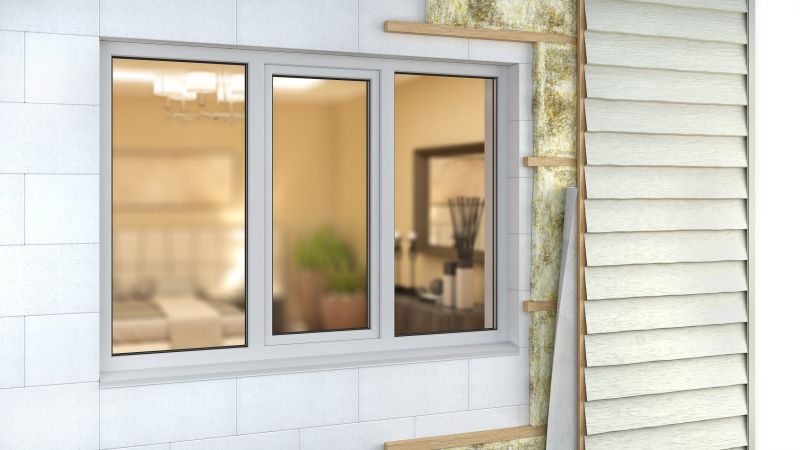
When comparing service providers for insulated siding installation, it’s important to consider their experience with similar projects. Homeowners should look for local contractors who have a proven track record of handling projects comparable in scope and complexity. An experienced professional will be familiar with the specific challenges that can arise during insulated siding work and will be better equipped to deliver quality results. Asking about past projects or requesting examples of completed work can help gauge a contractor’s familiarity with the type of installation needed.
Clear written expectations are essential to ensure that both parties are aligned on the scope of work, materials, and standards for the project. Homeowners should seek service providers who are willing to provide detailed estimates or proposals that outline what will be done, what materials will be used, and any specific requirements. Having these expectations documented helps prevent misunderstandings and provides a reference point throughout the project. It’s also advisable to clarify how the project will be managed and who will be responsible for different aspects of the work.
Reputable references and good communication are key factors when selecting local contractors. Homeowners can ask for references from previous clients to gain insights into the contractor’s reliability, professionalism, and quality of work. Additionally, a service provider’s responsiveness and clarity in communication can indicate their level of professionalism. Contractors who are transparent, easy to reach, and willing to answer questions can make the process smoother and more predictable. It’s important to remember that this site introduces homeowners to local options, connecting them with qualified service providers, but the actual work is performed by those local contractors directly.
Property owners use Insulated Siding Installation services for practical projects around their homes and businesses. This guide focuses on everyday jobs and straightforward project options.
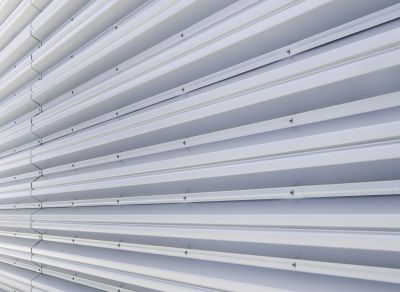
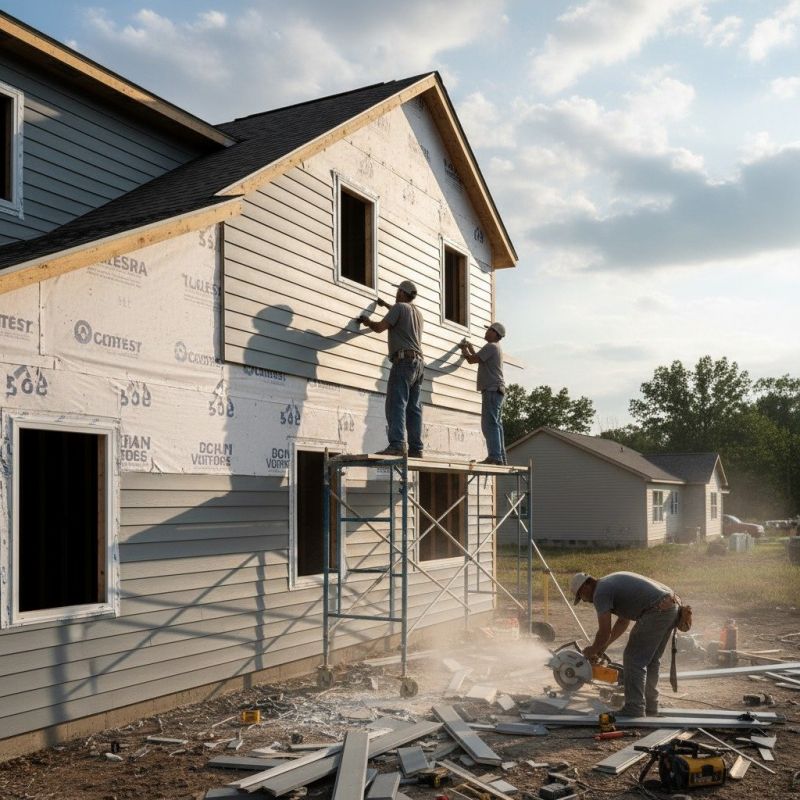
Insulated siding installation is often sought after by property owners dealing with aging or damaged exterior walls. When siding becomes worn, cracked, or inefficient at insulating, local contractors can help upgrade the home's exterior to improve energy efficiency and curb appeal. Homeowners might also consider this service when preparing a property for resale or simply looking to enhance its overall appearance and durability.
Many property owners turn to local service providers for insulated siding when they notice drafts, rising energy bills, or signs of moisture infiltration. Replacing or adding insulated siding can be a practical solution for those wanting to reduce heating and cooling costs or protect their homes from the elements. Local contractors are available to assess individual needs and recommend suitable options to improve the home's exterior performance.
What are the benefits of insulated siding? Insulated siding can improve energy efficiency, enhance curb appeal, and provide additional protection against the elements for a home.
How do I know if insulated siding is suitable for my home? Local contractors can assess your home's structure and recommend whether insulated siding is a practical option based on your specific needs.
What types of insulated siding materials are available? There are various options including vinyl, fiber cement, and foam-backed sidings, each offering different levels of insulation and durability.
Can insulated siding be installed on existing siding? Yes, many service providers offer installation over existing siding, which can help improve insulation without the need for complete removal.
What should I consider when choosing a contractor for insulated siding installation? It’s important to select experienced local contractors who specialize in siding installation and have a good reputation in the community.
Energy Efficiency Improvements - Insulated siding installation can help property owners reduce heating and cooling costs by enhancing wall insulation.
Home Exterior Updates - Upgrading to insulated siding offers a way to refresh the appearance of a home while adding extra protection against the elements.
Weather Resistance Enhancement - Adding insulated siding can improve a property's resistance to moisture and temperature fluctuations, helping to prevent damage.
Soundproofing Benefits - Installing insulated siding can also contribute to reducing noise from outside, creating a quieter indoor environment.
If you are thinking about Insulated Siding Installation for a property, this guide is meant to help you understand the work, the typical project types, and how different options might fit your plans.
When you are ready, you can use the quote form on this page to share a few details about your project. From there, local pros can review the basics and respond with options that match what you have in mind.